The Power of Putting Pen to Paper
June 4, 2026
Why journaling might be the most underrated tool for clarity, connection, and growth
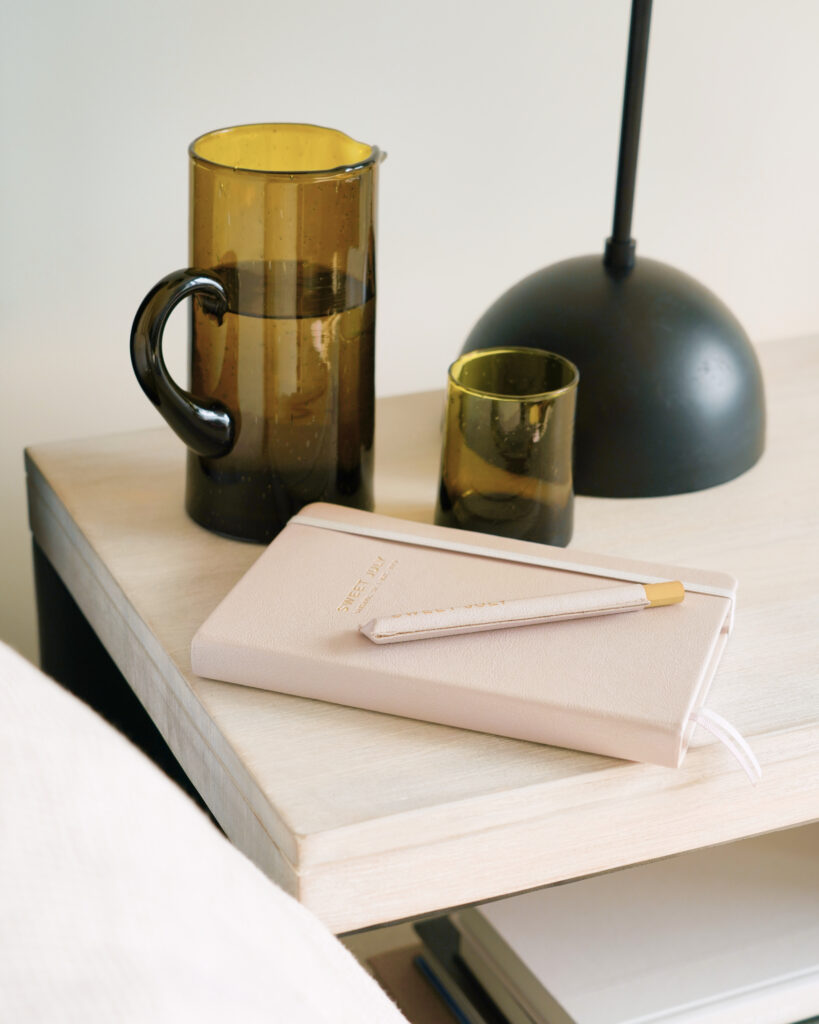
Those who know me know I can usually be found with a journal and my pack of pens on any given day.
In college, I was introduced to bullet journaling, and it stuck.
Over time, journaling became more than a habit. It became part of my identity. It’s how I process, reflect, create, and honestly, how I navigate life.
In a world that moves fast and lives mostly on screens, journaling has been my way of slowing down and coming back to myself.
Why Journaling Matters (More Than You Think)
There are so many ways to journal and none of them have to look “perfect” which is what I love.
Some days, my journal is organized and aesthetic. Other days, it’s messy, emotional, and all over the place.
Both count.
Journaling has been an outlet for me through so many stages of life.
It’s held space for:
- Planning my weeks and organizing my thoughts
- Capturing memories and everyday moments
- Brain dumping when my mind feels overwhelmed
- Processing situations, emotions, and relationships
- Dreaming, visualizing, and setting intentions
It’s not about writing something profound every time, it’s about giving your thoughts somewhere to go.
The Science Behind Journaling
There’s actually science behind why journaling feels so good.
When we keep everything in our heads, our thoughts and emotions tend to stay in the more reactive part of our brain. That’s where overwhelm, anxiety, and stress can build.
Writing helps shift those thoughts into the more analytical, reasoning part of the brain.
In simple terms: what feels chaotic in your head can start to feel clear on paper.
Journaling can help you:
- Organize your thoughts
- Explore ideas
- Map out goals
- Work through decisions
- Regulate emotions
Sometimes, journaling is less about solving something and more about understanding it.
Why Writing by Hand Matters
In a digital world of notes apps, voice memos, and DMs, it can feel easier to type everything out.
But handwriting is different.
When you write by hand, you engage more of your brain (motor skills, memory, language, and sensory processing) all working together. It also slows you down in a way that typing doesn’t.
That slowness is actually the point.
It creates space to:
- Think more intentionally
- Feel more deeply
- Remember more clearly
There’s something powerful about physically moving your thoughts from your mind onto paper.
How to Start (and Actually Stick With It)
If you’ve ever thought, “I want to journal, but I don’t know what to write,” you’re not alone.
Don’t worry, there is no right way to journal.
Start simple.
You could begin with:
- A brain dump: write everything on your mind, no filter
- A few sentences about your day
- One thing you’re feeling
- One thing you’re grateful for
- One question you’re sitting with
If you want more structure, try prompts like:
- What’s been taking up the most space in my mind lately?
- What do I need more of right now?
- What am I currently avoiding? Why?
- What would feel supportive for me this week?
The key is consistency, not perfection.
Even a few minutes a day can make a difference.
Journaling in Your Career (Not Just Your Personal Life)
Journaling isn’t just something I turn to in my personal life. It’s also something I use constantly in my work too.
In a fast-paced, always-on environment, it’s easy to move from meeting to meeting, task to task, without ever pausing to actually think.
Journaling helps to create that pause.
It can help you:
- Get clear on what you’re actually working toward (not just what’s on your to-do list)
- Process feedback, challenges, or situations at work before reacting
- Think through decisions with more intention and less overwhelm
- Reflect on what’s working, what’s not, and where you want to grow
- Capture ideas you might otherwise forget in the middle of a busy day
I’ll often use my journal to map out a project, prepare for a conversation, and brain dump everything that feels chaotic before starting my day.
When everything lives in your head, it’s hard to lead, communicate, or make decisions with confidence but when you take a few minutes to write it out, things start to make a lot more sense.
My Go-To Journaling Essentials
The tools I reach for again and again:
- Leuchtturm1917 Medium Dotted Journal
- STABILO Point 88 Fineliner Pens
Final Thoughts
Journaling isn’t about being a “good writer,” it’s about being honest, reflective, and open.
It’s a space where you don’t need to filter yourself, explain yourself, or have everything figured out.
You just get to be with yourself, your journal, and your thoughts.
In a world that constantly asks us to move faster, do more, and stay connected to everything outside of us, journaling is a quiet way to come back inward.
To slow down.
To reflect.
To process.
To understand yourself a little more.
To grow.
If you’ve been thinking about starting, consider this your sign.
Open the page. See what comes up.
Author: Grace Steinhagen

