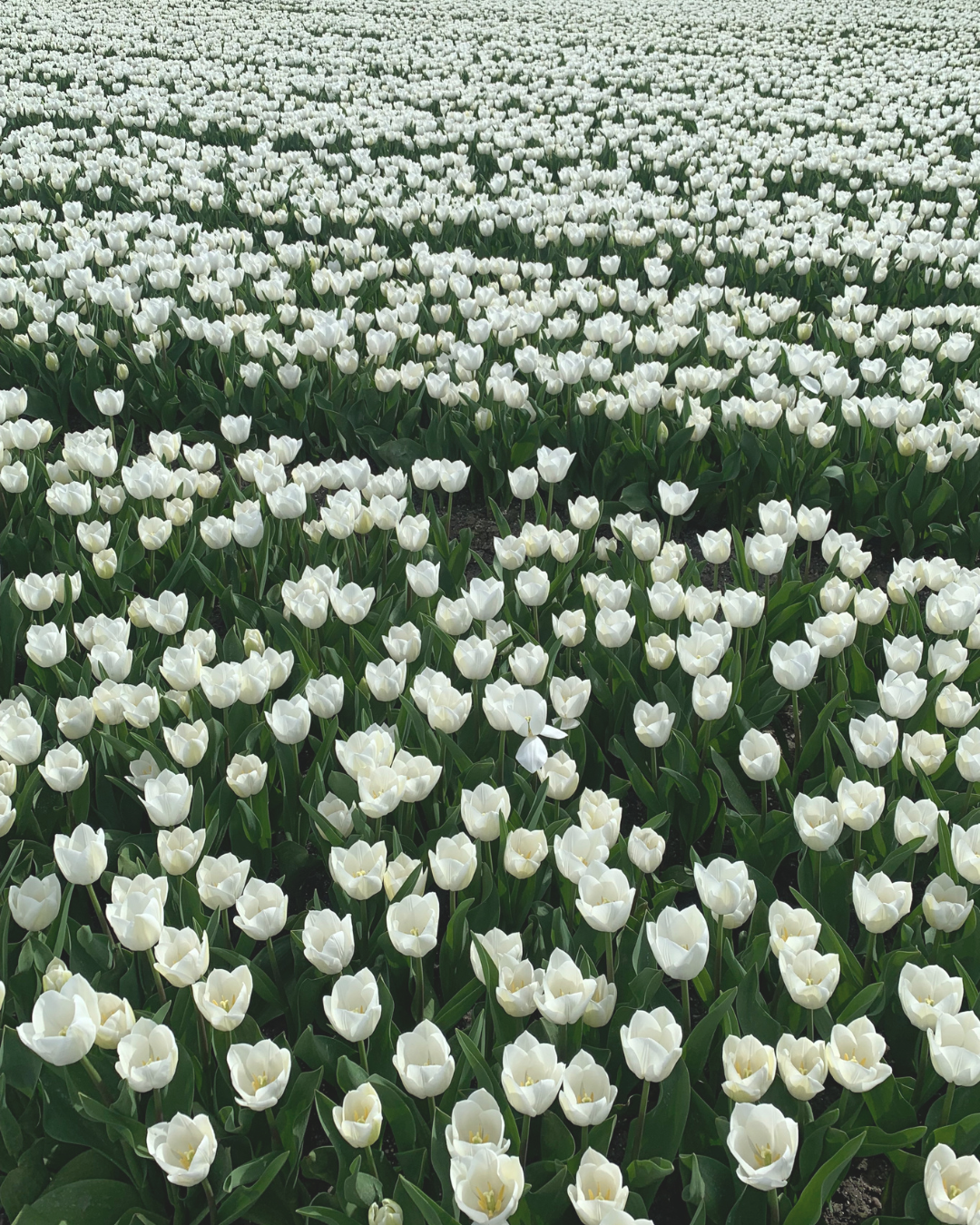
Every Flower Garden Starts as an Idea
July 20, 2026
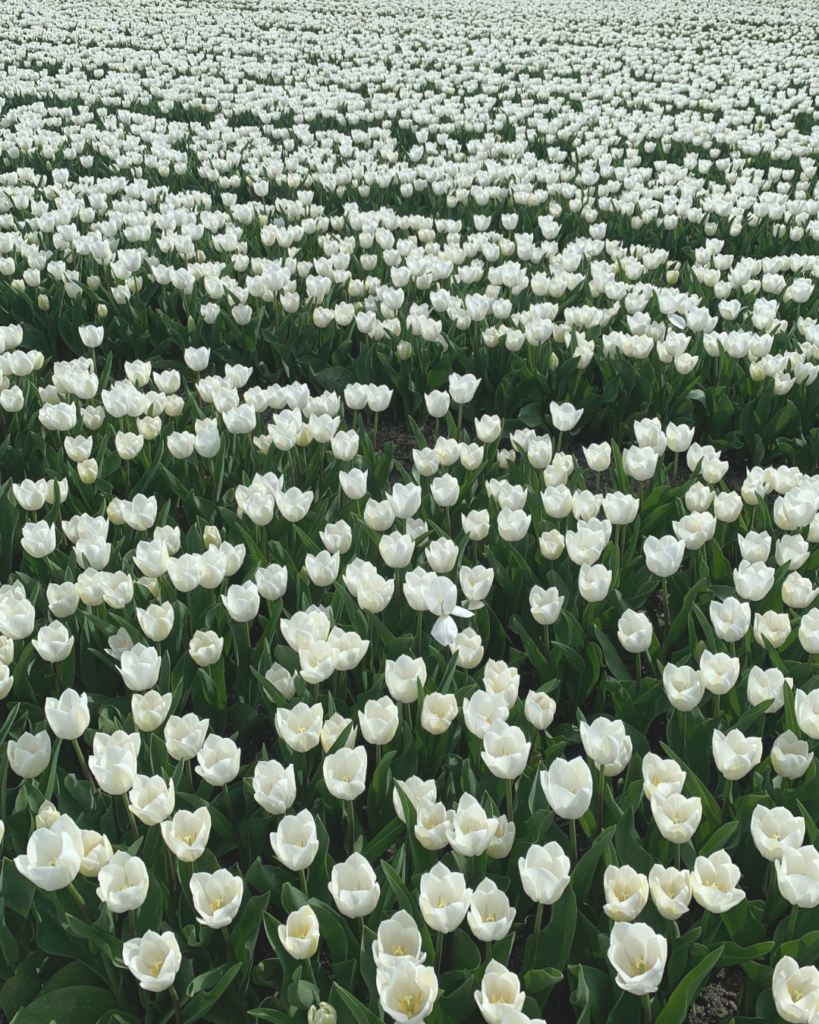
On a chilly evening in February, many of us at The Dot sat together for a workshop with Sarah Pritzl, founder of Anomaly Coaching, as she guided us through exploring our ideas and bringing them to life. Sarah encouraged us to consider ideas big and small, things we genuinely wanted to create. The energy in the room was electric. Women were dreaming out loud about career pivots, creative projects, and personal milestones. One idea I wrote down that day was this: plant a flower garden.
While it sounded simple, I was already asking myself how I would find the time and energy to make it happen. Work had been busy. I was teaching more. I had several spring and summer trips planned. My schedule barely left room for the things already on my list, let alone something new. A garden felt like something to revisit when life slowed down.
But Sarah said something in the workshop, and in her blog post, that stuck with me: “In a society that tends to prioritize left-brain characteristics, it’s not uncommon for us to jump quickly from dreaming to scheming or to rule out an Idea entirely if the plan is unclear. Please don’t be too quick to edit yourself out of a good idea.”
So I made a decision to stop waiting for the right time and just begin. No detailed plan. No perfect moment. I bought a few seed packets, cleared a small space, and figured the rest out as I went. And if you’re curious about doing the same, here is what worked for me:
1. Start with your space.
Before buying anything, take a look at what you’re working with. If you’re starting from scratch, a small raised bed or even a few large containers on a patio can be a great starting point. Start with a space that feels manageable. You can always expand next season! Then spend a day or even just a few hours observing your outdoor space at different times. Where does the sun hit, and for how long? Is the soil sandy or clay-heavy? Does water drain quickly? The University of Minnesota Extension has fantastic, free guidance tailored to our climate, including soil prep and planting schedules.
2. Choose plants that are easy and rewarding.
Native plants are a great place to start. They’ve evolved alongside our local ecosystem, which means they are hardier, lower maintenance, and better for pollinators like bees and butterflies. Some favorites for Minnesota gardens include black-eyed susans, purple coneflowers, and blazing star.
If you want to add a little more color and variety, add a few non-native flowers that are easy to grow from seed and hard to mess up. Zinnias are foolproof and bloom all summer long, sunflowers are fast growing, and marigolds are both beautiful and good at deterring pests! Mix a handful of natives with a few of these and you’ll have a garden that is good for the pollinators and low maintenance.
3. Let it be imperfect.
This is the most important step, and truly the one that was the hardest for me. Gardening has a way of attracting perfectionism: the urge to research every variety, plan every square inch, or wait until conditions are just right before committing. Resist that urge. The best thing you can do is simply start, even if the timing feels a little off or the plan feels incomplete.
My first attempt included zinnias, sunflowers, black-eyed susans, and foxglove started indoors in late winter. Some seeds sprouted quickly, some took their time, and a few didn’t make it at all. As the weather warmed, I took them outside a little each day to harden them off. By mid-May, the flowers were in their new home in my backyard. The first zinnia bloomed a few weeks later, and by the end of June, the sunflowers had grown taller than me.
It’s not a perfect flower garden. A few have struggled, and there are more weeds than I’d like to admit. But somewhere between the watering and the waiting, I found something I didn’t know I was missing: a reason to slow down. Tending to it each day has become my way of stepping away from the noise. Work emails, social media scroll, and the pressure to always be on and always be productive. Gardening is slow and the rewards are slower, and there is something beautiful about that in a world that rewards the opposite. Sarah’s workshop with The Dot planted that seed – literally.
If you’ve been thinking about starting a garden, I hope this inspires you to just begin. You don’t need a big backyard, a green thumb, or a perfectly laid plan. You just need a little bit of curiosity and the willingness to try.
Pick a sunny spot. Choose a few plants. Lean on free resources like UMN Extension. Give yourself the time, space, and freedom to try. And as Sarah says, don’t be too quick to edit yourself out of a good idea. What you might find is that the garden starts giving back in ways you didn’t expect.
by: Liv Billet

